Irrigation Repair in Northern Virginia
Professional Sprinkler System Repairs by Experienced Irrigation Technicians
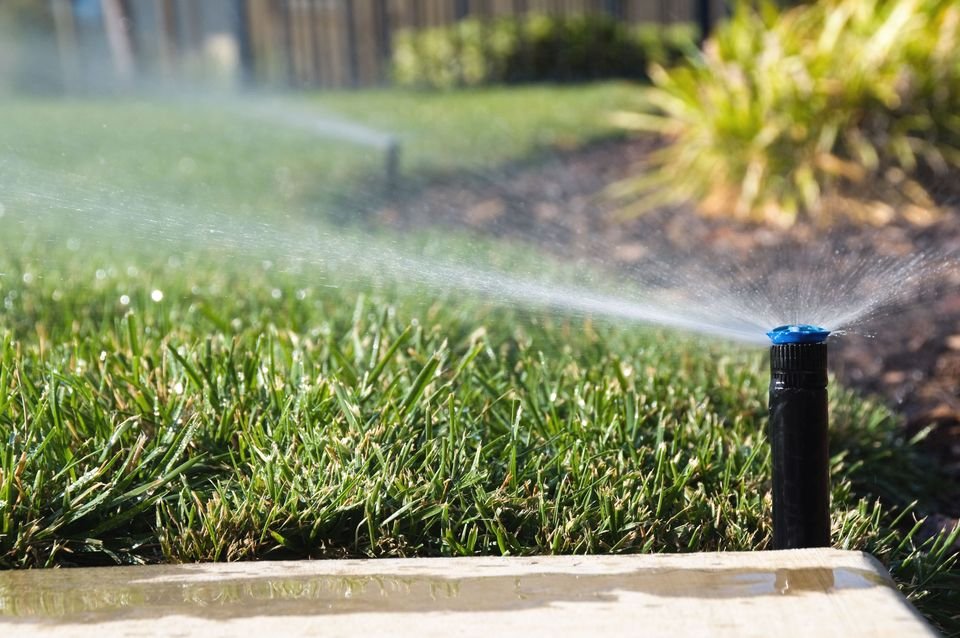
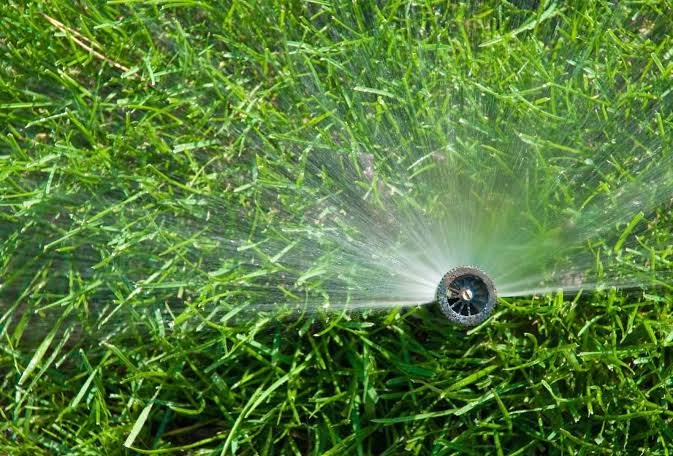
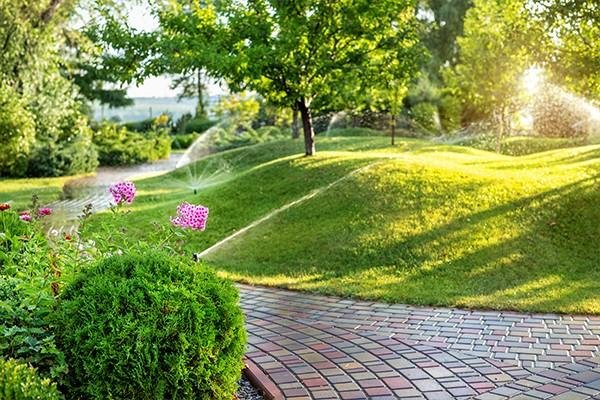
A properly functioning irrigation system is essential for maintaining a healthy lawn while using water efficiently.. When a sprinkler head breaks, a valve sticks open, or one of your irrigation zones suddenly stops working, the problem rarely fixes itself. Small irrigation problems often become expensive repairs when they are ignored.
Schedule Your Irrigation Repair
If your sprinkler system isn’t working properly, don’t wait until a small problem becomes a major repair.
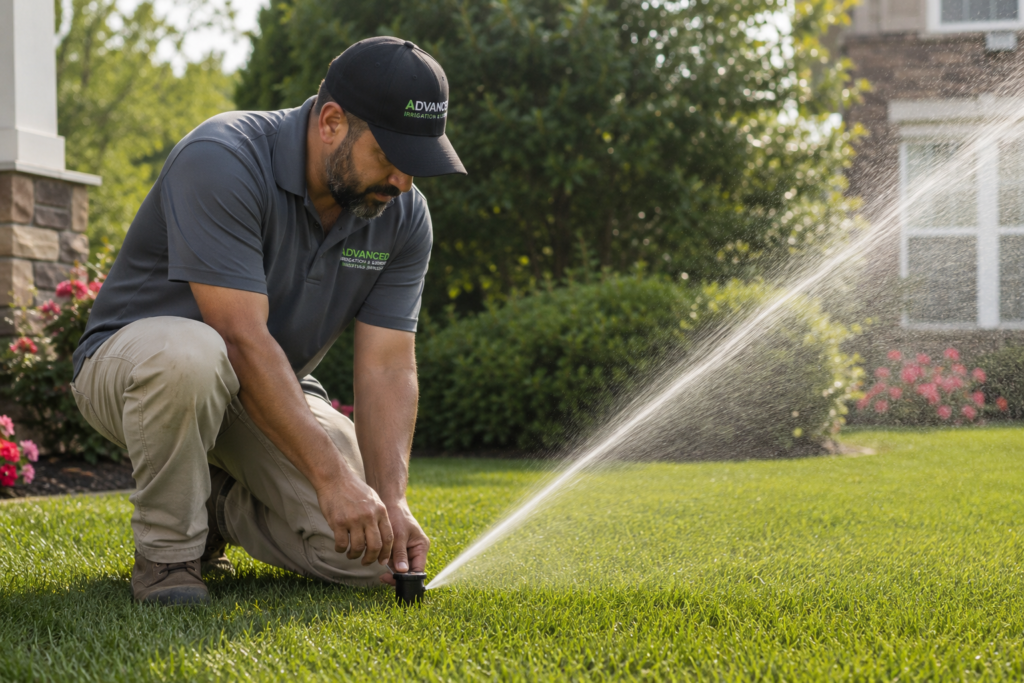
At Advanced Irrigation, we specialize in diagnosing and repairing residential irrigation systems throughout Northern Virginia. Whether your sprinkler system has a broken sprinkler head, leaking rotor, faulty irrigation valve, underground pipe leak, damaged wiring, or controller problem, we focus on identifying the actual cause of the problem before recommending repairs. Our philosophy is simple.
We don’t believe in replacing parts until something works, We believe in diagnosing the problem correctly the first time.
That approach saves homeowners time, money, and unnecessary repairs while helping extend the life of their irrigation system. Whether your irrigation system was installed recently or has been operating for many years, our goal is to restore proper performance while making sure the entire system is operating as intended.
Choosing the right irrigation contractor is about more than replacing broken parts. It’s about hiring someone who understands how an irrigation system operates as a complete system. Every sprinkler head, valve, controller, wire, pipe, and backflow preventer works together. Replacing the wrong component may temporarily hide the problem without actually fixing it. That’s why every repair begins with proper troubleshooting.
Our customers choose Advanced Irrigation because we believe in:
Professional troubleshooting
Diagnosing before replacing parts
Complete system inspections
Our goal isn’t simply to complete another service call. Our goal is to repair your irrigation system correctly.
Our Approach to Irrigation Repairs
Every repair begins exactly the same way. When we arrive at your property, we introduce ourselves and ask you to explain what you’ve noticed. Sometimes the homeowner already knows the problem. Other times they simply know something isn’t working correctly.
Listening to the homeowner is one of the most important parts of the repair because it often provides valuable information that helps us begin diagnosing the issue. If you already know the problem—for example, a broken sprinkler head, leaking valve, or damaged pipe—we repair that issue first. Once the reported problem has been corrected, we don’t simply pack our tools and leave.
We continue inspecting the remainder of the irrigation system to make sure everything else is operating correctly.
Backflow preventer (when installed)
If we notice additional concerns such as leaking sprinkler heads, poor sprinkler coverage, misaligned spray patterns, or components beginning to fail, we explain what we found and provide recommendations. The decision to perform additional repairs is always yours. We believe homeowners deserve honest information without pressure
Common Irrigation Repairs We Perform
No two irrigation systems are exactly alike. However, after repairing irrigation systems throughout Northern Virginia, we’ve found that most service calls involve a handful of common problems.
Because our service vehicles are stocked with many common irrigation parts, we’re able to complete many repairs during the initial visit.
Broken Sprinkler Heads
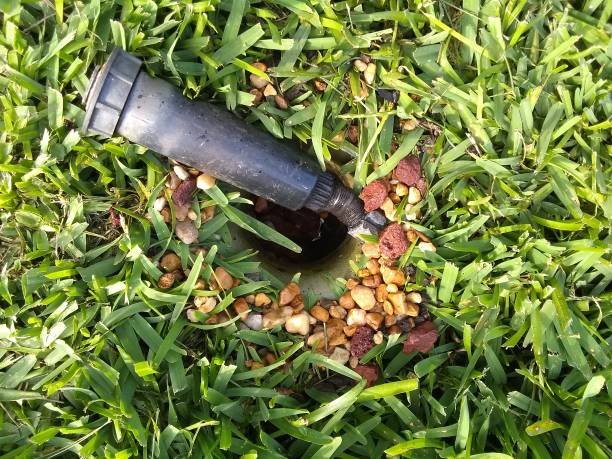
Broken sprinkler heads are one of the most common irrigation repairs we perform. They are often damaged by:
A broken sprinkler head doesn’t simply waste water. It can create dry areas in your lawn, overspray onto sidewalks and driveways, reduce water pressure throughout the zone, and increase your monthly water bill. When replacing a broken sprinkler head, we don’t simply install a new one and leave. We also inspect the surrounding sprinkler heads, adjust spray patterns, verify proper nozzle selection, and make sure the entire zone provides even water coverage. Sometimes what appears to be a broken sprinkler head is actually a symptom of another problem within the irrigation system. That’s why proper diagnosis is always our first priority.
Leaking Sprinkler Heads
Many homeowners believe that if a sprinkler head continues leaking after the system shuts off, replacing the head will solve the problem.
Sometimes that’s true. Many times it isn’t. A leaking sprinkler head may actually be caused by:
A faulty irrigation valve
Replacing the sprinkler head without identifying the actual cause often results in the same problem returning shortly afterward. Before recommending repairs, we determine why the sprinkler head is leaking so the repair addresses the source of the problem instead of the symptom.
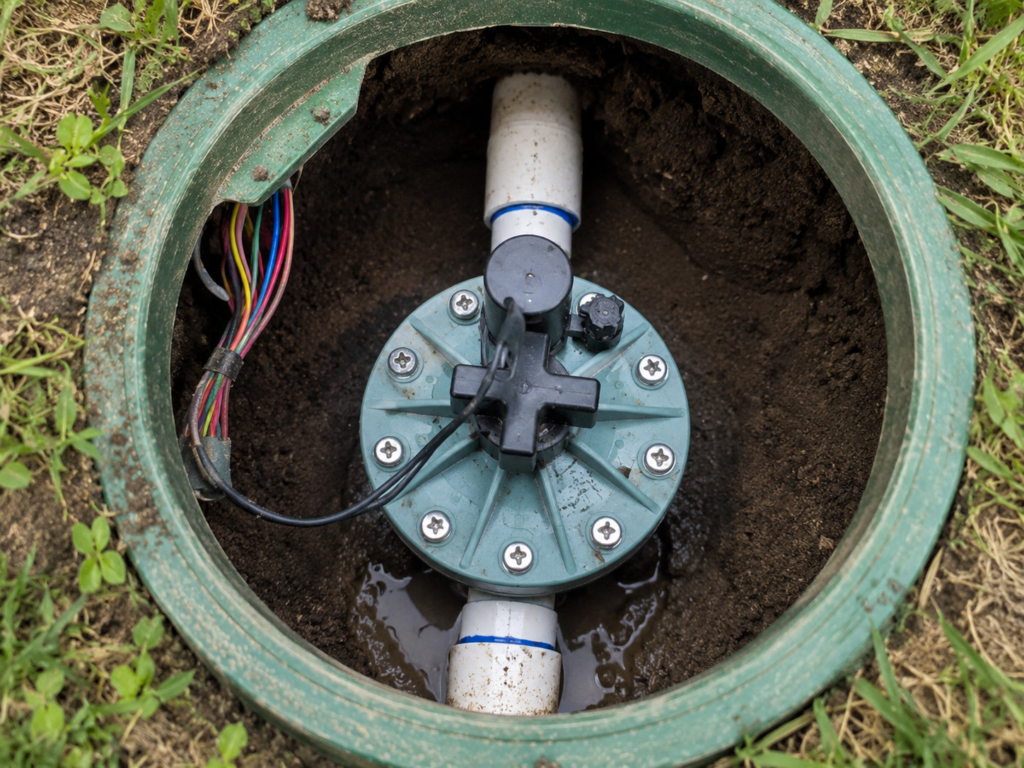
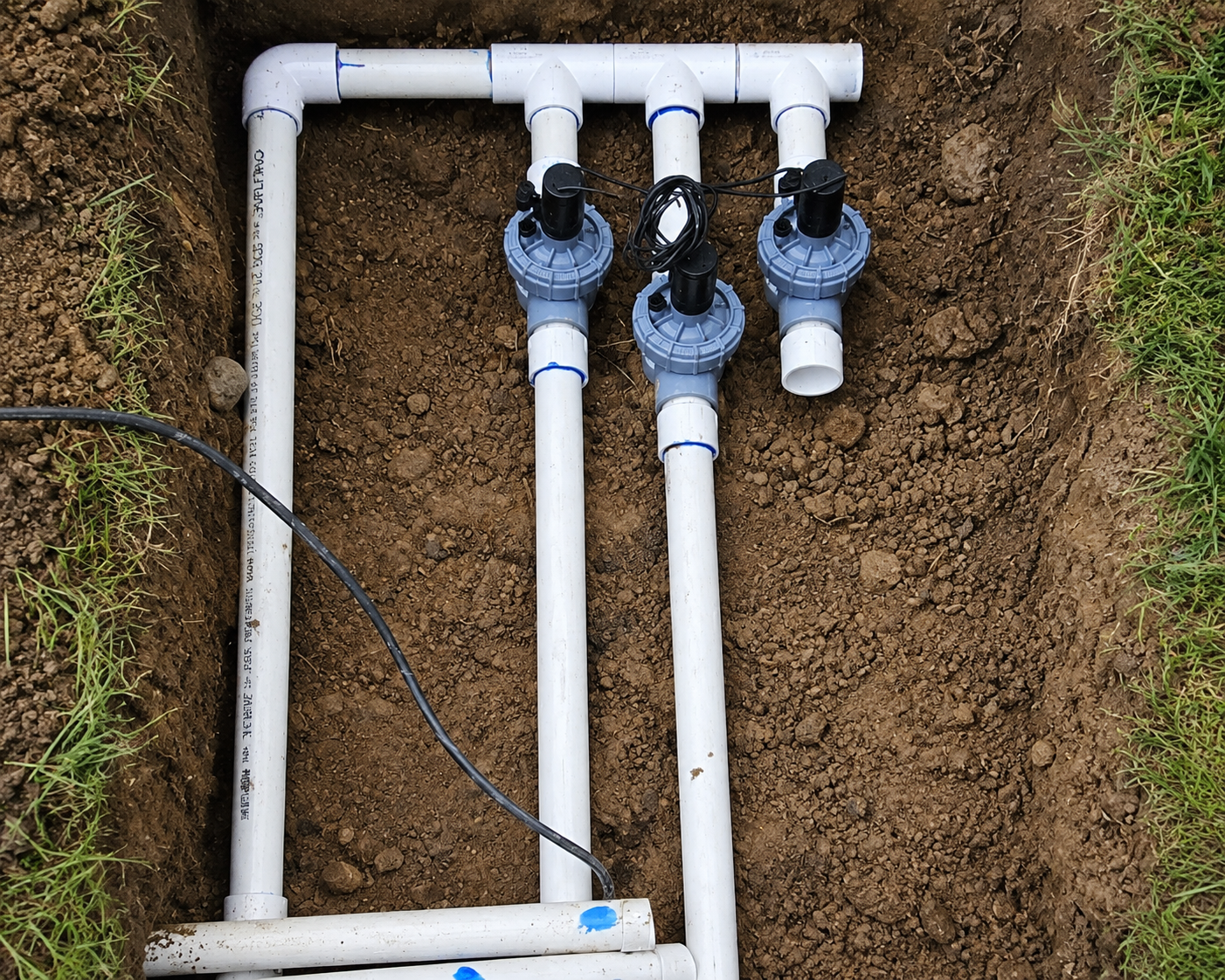
Stuck Irrigation Valves
An irrigation valve controls the flow of water to each sprinkler zone.
When a valve fails, an entire irrigation zone may stop working—or continue running after the controller has shut the system off.
Common causes include:
• Failed solenoids
• Worn diaphragms
• Debris inside the valve
• Electrical problems
• Damaged wiring
• Internal valve failure
Rather than replacing the complete valve immediately, we test each component individually whenever possible. In many cases, replacing a failed solenoid or repairing damaged wiring restores normal operation without replacing the entire valve assembly.
Locating Buried Irrigation Valves
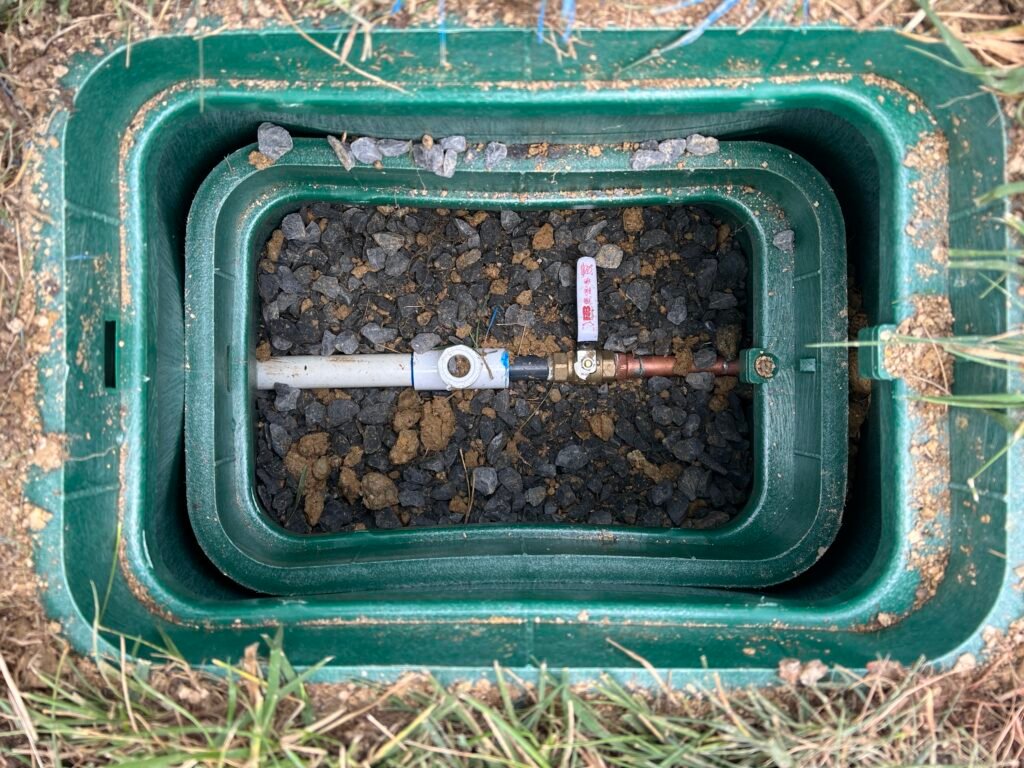
One of the more challenging irrigation repairs involves locating buried irrigation valves. Over time, valve boxes become covered by grass, mulch, landscape beds, or years of soil buildup. Homeowners often tell us they’ve searched for hours without finding the valve. Locating buried irrigation valves requires experience and systematic troubleshooting. Instead of randomly digging throughout the yard, we identify the affected irrigation zone, trace the wiring, and locate the corresponding valve with minimal disturbance to your landscape whenever possible. Once located, we inspect the valve, test its operation, and perform the necessary repairs before restoring the valve box for future access. Many homeowners are surprised to learn that simply locating the valve is often the most time-consuming part of the repair.
Underground Irrigation Pipe Leaks
Not every irrigation leak is immediately visible.
Many underground pipe leaks continue for weeks before homeowners notice signs of a problem. Some of the most common symptoms include:
• Wet areas in the lawn
• Soggy ground
• Water bubbling from the soil
• Low sprinkler
• Higher water bills
• Poor sprinkler performance
After identifying the affected irrigation zone, we isolate the damaged section of pipe and perform the repair using quality materials designed for underground irrigation systems. Every repair is tested before the area is restored.
Irrigation Controller Repair & Replacement
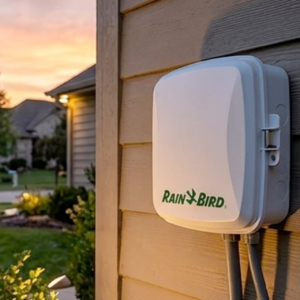
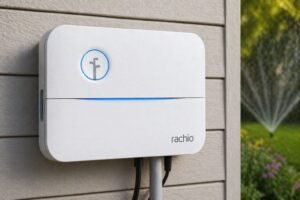
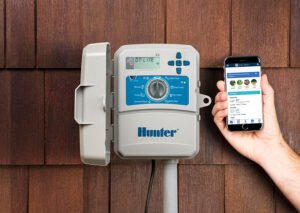
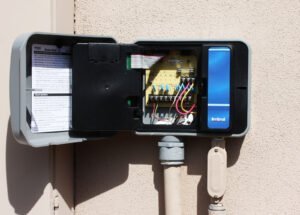
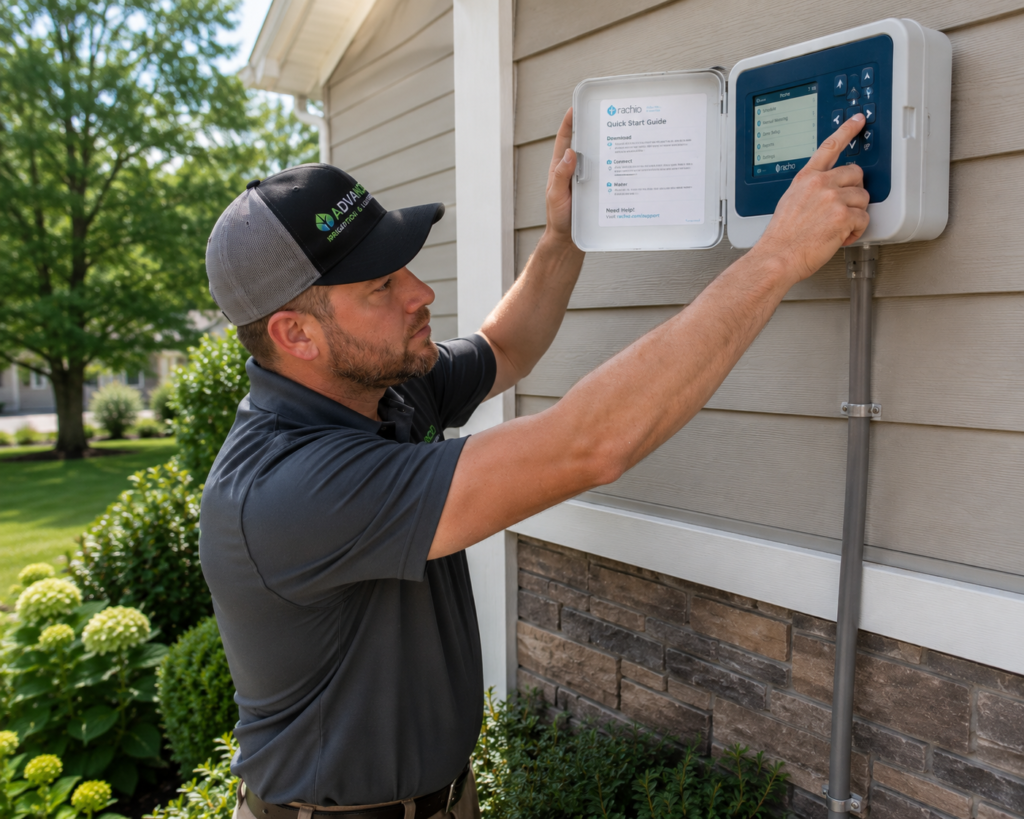
The irrigation controller is the brain of your sprinkler system. It tells each zone when to start, how long to run, and when to shut off. If the controller isn’t functioning correctly, your lawn may receive too much water, too little water, or no water at all. Many homeowners assume the controller has failed simply because one zone isn’t working. In reality, the controller is often not the problem. A failed solenoid, damaged field wire, corroded waterproof splice, or faulty valve can produce the exact same symptoms. Before recommending controller replacement, we verify the controller is actually the source of the problem. We service and replace many popular irrigation controllers including:
• Hunter X-Core
• Hunter Pro-C
• Hunter Hydrawise
• Rain Bird ESP Series
• Rain Bird ESP-Me
• Orbit
• Rachio Smart Controllers
• Irritrol Controllers
• Weathermatic Controllers
Whether your controller needs programming, troubleshooting, repair, or replacement, we’ll explain your options before any work begins.
How We Diagnose Irrigation Problems
One of the biggest differences between replacing parts and repairing irrigation systems is proper diagnosis. Many irrigation problems have similar symptoms.
For example: A zone won’t turn on. That could be:
- Bad controller
- Bad solenoid
- Broken wire
- Corroded waterproof splice
- Stuck valve
- Loss of power
- Blown fuse
- Programming issue
Simply replacing the first part you suspect often wastes both time and money. At Advanced Irrigation, we follow a systematic troubleshooting process designed to identify the actual cause before replacing components.
Step 1 — Listen to the Homeowner
Every repair starts with a conversation. We ask what you’ve noticed.
Questions like:
- Which zone isn’t working?
- Has the problem happened before?
- Is the valve making noise?
- Is water continuously running?
- Did the problem begin after a storm?
- Has anyone recently worked on the irrigation system?
The information you provide often helps narrow the possible causes before testing even begins.
Step 2 — Identify the Affected Zone
If the homeowner doesn’t know which irrigation zone has failed, we manually activate each zone from the controller. Once the affected zone has been identified, the diagnostic process becomes much more efficient. Instead of guessing, we’re able to focus on the specific portion of the irrigation system experiencing the problem.
Step 3 — Test the Controller
Using professional testing equipment, we verify whether the irrigation controller is sending power to the affected zone. Many homeowners assume the controller has failed. In reality, controllers are often working exactly as they should. Testing the controller allows us to eliminate unnecessary part replacement early in the diagnostic process.
Step 4 — Locate the Irrigation Valve
Once the affected zone has been identified, we locate the irrigation valve responsible for that zone. This is where experience becomes important. Many irrigation valve boxes become buried beneath grass, mulch, or landscape beds over the years. Instead of digging randomly throughout the yard, we locate the appropriate valve by following the wiring and matching wire colors between the irrigation controller and the valve. For example, if Zone 3 is connected to the yellow wire inside the controller, we locate the valve containing the same yellow control wire. This allows us to confirm we’re testing the correct irrigation valve.
Step 5 — Test the Solenoid
After locating the valve, we test the irrigation solenoid directly. If the solenoid fails testing, replacing the solenoid may restore normal operation. If the solenoid tests properly, we know the problem likely exists elsewhere within the electrical circuit. Professional testing prevents replacing perfectly good parts.
Step 6 — Inspect the Wiring
When the solenoid passes testing, our attention shifts to the wiring. Some of the most common electrical problems include:
- Broken field wires
- Corroded waterproof splices
- Damaged insulation
- Rodent damage
- Landscape damage
- Tree root movement
Step 7 — Perform the Repair
Once the actual cause has been identified, we explain the repair options before beginning work. After the repair is complete, we operate the zone multiple times to verify proper operation before leaving your property.
Technician Tip
A sprinkler zone that won’t turn on doesn’t automatically mean the irrigation valve is bad.
We’ve seen many situations where homeowners replaced sprinkler heads, valves, and even irrigation controllers, only to discover the actual problem was a damaged field wire or a corroded waterproof splice. That’s why diagnosis always comes before replacing parts.
Our Irrigation Repair Process
Repairing an irrigation system involves more than simply replacing broken components. Our goal is to ensure your entire system operates reliably after we leave.
Honest Recommendations
If we notice leaking rotors, worn sprinkler heads, poor coverage, or components nearing the end of their service life, we’ll explain what we found and answer any questions you have. We believe recommendations should educate homeowners—not pressure them. You decide which repairs you’d like completed.ge this text.
Final Testing
Before leaving your property, every completed repair is tested to ensure the irrigation system is operating correctly. Our goal is for you to have confidence that your sprinkler system is functioning as intended.
Arrival and Inspection
When we arrive, we introduce ourselves, discuss the concerns you’ve noticed, and inspect the irrigation system before beginning repairs. Understanding the symptoms helps us determine where to begin troubleshooting.
Repair the Reported Problem First
If you’ve already identified the issue—such as a leaking sprinkler head, broken pipe, or valve that won’t shut off—we repair that problem first. This ensures the primary concern that brought us to your property is addressed immediately.
Complete System Inspection
After repairing the reported issue, we continue testing the remainder of the irrigation system. This includes checking:
- Every irrigation zone
- Sprinkler head alignment
- Rotor adjustments
- Water pressure
- Valve operation
- Controller programming
- Backflow preventer (when installed)
Many homeowners appreciate this additional inspection because it often identifies small issues before they become expensive repairs.
Why Irrigation System Fail
Most irrigation systems don’t fail overnight. Small problems usually develop gradually until they begin affecting the entire system. Some of the most common causes include:
Winter Freeze Damage
Water left inside irrigation piping during freezing temperatures expands and can crack PVC fittings, pipes, valves, and sprinkler heads.
Aging Components
Rubber diaphragms, seals, solenoids, and moving components naturally wear over time. Routine maintenance helps identify these issues before failure occurs
Lawn Equipment
Many broken sprinkler heads are caused by lawn mowers, string trimmers, edging equipment, or vehicles. Even small impacts can affect sprinkler performance.
Tree Roots
As trees mature, roots can shift underground piping, damage fittings, or make future repairs more difficult.
Poor Installation Practices
Improper pipe depth, incorrect wiring methods, inadequate waterproof splices, or poor valve installation can lead to recurring repairs years later. Our Irrigation installation team can evaluate your existing system.
Ignored Small Leaks
One of the most common mistakes we see is homeowners ignoring small leaks because the system “still works.” A leaking rotor or sprinkler head may appear insignificant today. Months later, that same leak can contribute to higher water bills, soggy landscaping, unnecessary water waste, and additional component failures. Addressing small repairs early often saves considerably more than waiting until the problem becomes larger.
Common Mistakes Homeowners Make
As irrigation professionals, we understand that many homeowners enjoy tackling projects around the house. Some sprinkler repairs are straightforward, while others require specialized troubleshooting equipment and experience. Over the years, we’ve noticed the same mistakes repeatedly. Avoiding them can save both time and money.
Ignoring Small Leaks
One of the most common problems we see is a leaking sprinkler head or rotor that has been dripping for weeks or even months.
Because the system still appears to be working, many homeowners assume the leak isn’t serious. Unfortunately, small leaks rarely stay small. Over time they can waste thousands of gallons of water, create soggy areas, increase your water bill, and place unnecessary stress on the rest of the irrigation system. Addressing these issues early is usually far less expensive than waiting until additional components fail.
Replacing Parts Without Diagnosing the Problem
Many homeowners replace sprinkler heads because one zone isn’t working.
Sometimes they replace the controller.
Sometimes they even replace the irrigation valve. Yet the problem remains. In many of these situations, the actual issue is a damaged field wire, corroded waterproof splice, or failed solenoid. Professional diagnosis identifies the true source of the problem before unnecessary parts are replaced.
Waiting Until Multiple Problems Develop
It’s common for homeowners to postpone repairs until several issues appear throughout the irrigation system. While this may seem economical, multiple small problems often become larger repairs over time. Routine inspections and timely repairs help extend the life of your irrigation system while reducing future repair costs.
Brands We Service
Our technicians service many of the irrigation industry’s leading manufacturers.
Including:
- Hunter Industries
- Rain Bird
- Toro
- Irritrol
- Weathermatic
- Orbit
- K-Rain
- Hydrawise
- Rachio
Even if another contractor installed your irrigation system, we can inspect, troubleshoot, repair, and maintain it.
Choosing an irrigation contractor is about more than fixing today’s problem. It’s about hiring someone who takes the time to diagnose your irrigation system correctly and provide recommendations you can trust. At Advanced Irrigation, we believe every homeowner deserves honest communication, quality workmanship, and repairs that solve the problem rather than temporarily hiding it.
When you hire us, you can expect:
Professional troubleshooting
Quality replacement parts
Respect for your property
Whether your repair involves a broken sprinkler head, irrigation valve, underground pipe leak, or controller problem, our goal is to restore your irrigation system while helping prevent future issues.
From the Field
One of the most common situations we encounter is a homeowner who has already replaced several sprinkler heads because one irrigation zone stopped working. After testing the system, we often discover the real problem is a faulty solenoid, damaged wire, or corroded splice—not the sprinkler heads.
Another repair we frequently see is a leaking rotor that has been ignored because “it’s only a small leak.” Months later, the homeowner calls because of a high water bill or a section of the yard that has become saturated. In many cases, a simple repair performed earlier could have prevented a much larger problem.
These experiences reinforce why we always diagnose the system before recommending repairs. Understanding the actual cause allows us to perform the right repair the first time.
Professional Sprinkler Repair for a Greener, Healthier Lawn
FREQUENTLY ASKED QUESTIONS
Find answers to some of the most common questions about irrigation repairs, sprinkler system maintenance, troubleshooting, and seasonal services in Northern Virginia. Our FAQ section is designed to help homeowners understand their irrigation system and know what to expect during service with Advanced Irrigation.
We proudly provide Irrigation Repair, Irrigation Installation, Spring Turn-On, Winterization and Backflow Test throughout Adie, Ashburn, Leesburg, Brambleton, Fairfax, Fairfax Station Chantilly, Centreville, Vienna, Oakton, Gainesville, Haymarket, South Riding, Burke, Reston, Lorton, Herndon, Sterling, Springfield, Oakton and surrounding Northern Virginia communities.
Schedule Your Irrigation Repair Today
A properly operating irrigation system protects your landscape, conserves water, and helps prevent unnecessary repair costs. Whether you’re dealing with a broken sprinkler head, leaking valve, underground pipe leak, faulty controller, or an irrigation zone that isn’t working, Advanced Irrigation is ready to help.
Contact us today to schedule a professional irrigation repair anywhere in Northern Virginia.