Schedule Sprinkler Winterization
Northern Virginia winter can bring freezing temperatures that put residential irrigation systems at risk. Water left inside irrigation pipes, valves, sprinkler heads, and other components can freeze, expand, and cause damage. Proper sprinkler winterization removes water from the irrigation system before freezing temperatures arrive. At Advanced Irrigation, we winterize residential sprinkler and irrigation systems throughout Northern Virginia using a controlled, zone-by-zone process. We don’t simply connect an air compressor and rush through the system. We take the time to properly flush each zone while checking the sprinkler heads and visible components for problems. Our winterization process also includes addressing the irrigation backflow preventer before compressed air is introduced into the sprinkler system. The goal is simple:
Remove as much water as practical from the irrigation system while protecting the system’s components and identifying problems before winter.
Why Winterize Your Irrigation System?
Water and freezing temperatures don’t mix well inside an irrigation system. When water remains trapped inside pipes or components and temperatures drop below freezing, the water can expand and create pressure inside the system. That pressure can damage irrigation components and leave you with unexpected repairs when spring arrives. Winterization helps reduce the amount of water remaining inside the irrigation system before freezing weather.
Depending on the system, winterization may help protect:
- Underground irrigation piping
- Sprinkler heads
- Rotor assemblies
- Spray heads
- Irrigation valves
- Valve manifolds
- Above-ground irrigation components
- Backflow-related plumbing
- Other water-filled components
A proper winterization is more than simply turning the controller off. The irrigation system needs to be prepared correctly for the dormant season.
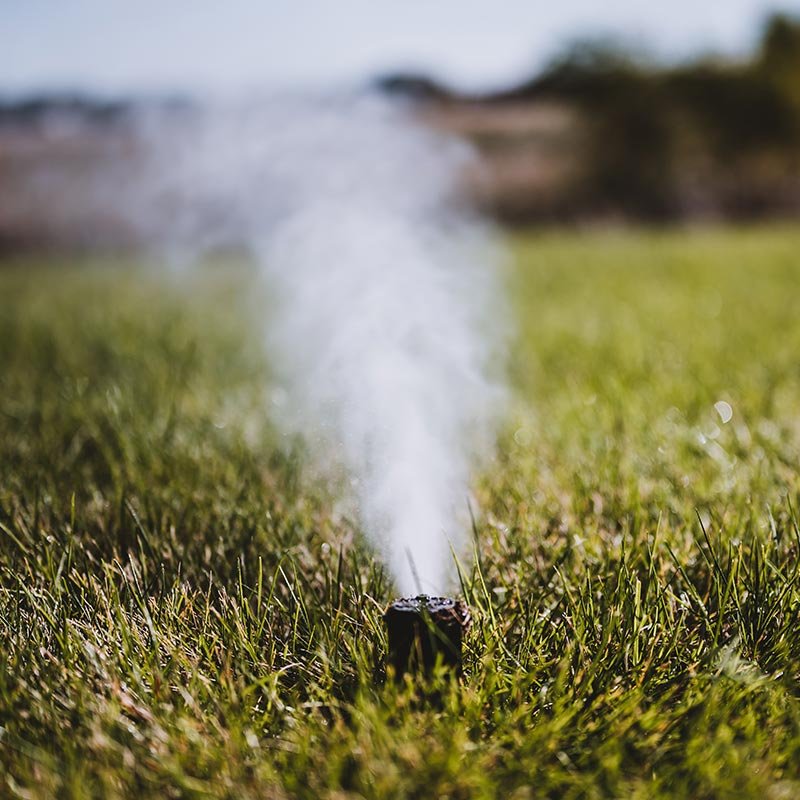
Our Sprinkler Winterization Process
At Advanced Irrigation, we follow a systematic process designed to properly prepare your irrigation system for winter. Every property is different, but our typical winterization process follows these steps.
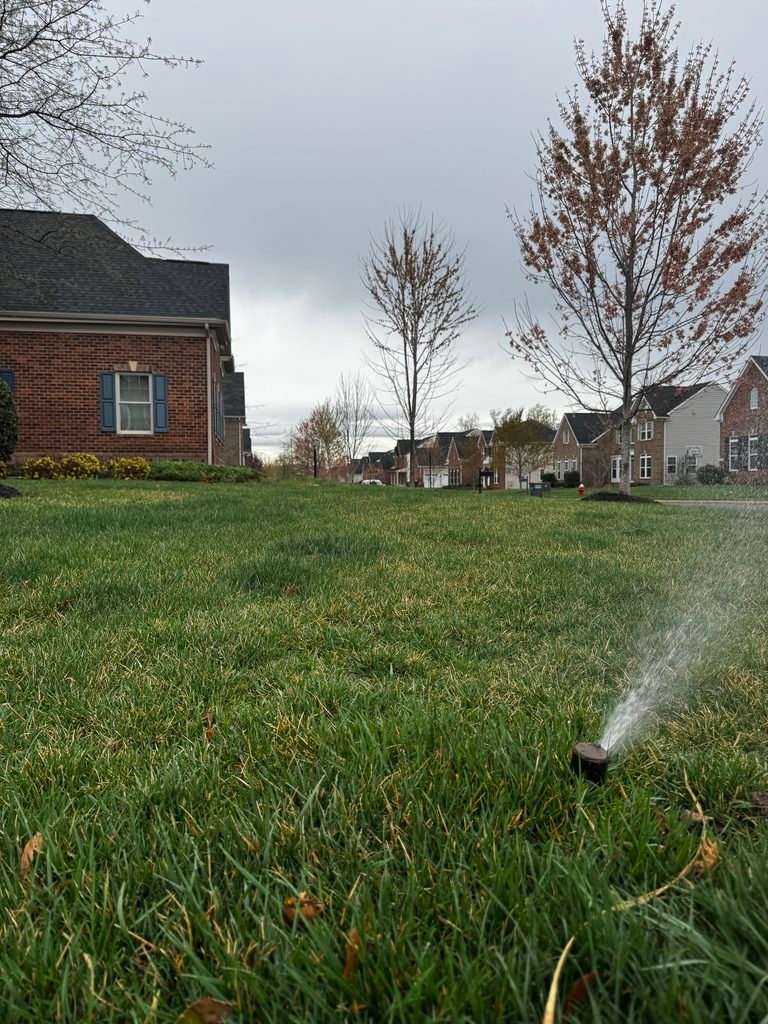
Why We Winterize One Zone at a Time
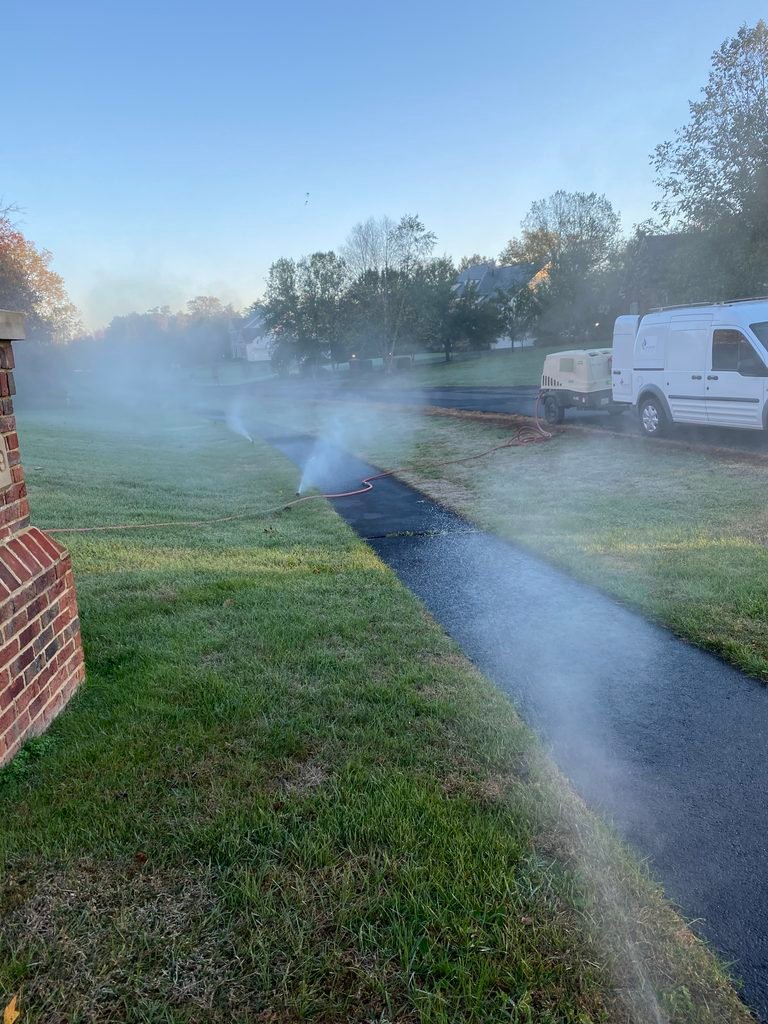
A proper sprinkler blowout requires control. We don’t believe in opening multiple irrigation zones and forcing large amounts of compressed air through the system at the same time simply to finish faster. Opening multiple valves simultaneously can make the process less controlled and may not provide the same focused flushing of each zone. Instead, we work through the system systematically.
One zone. Then the next. Then the next. This allows us to observe the sprinkler heads while each zone is being flushed and identify problems along the way.
We Don’t Rush the Winterization Process
One of the biggest differences we’ve noticed from working in the irrigation industry is how quickly some companies try to complete winterization.
A sprinkler blowout can look simple from the outside:
• Connect compressor.
• Turn on zone.
• Blow air.
• Move to the next zone.
But there is more to properly preparing an irrigation system. The system needs to be inspected while the zones are being flushed.
Sprinkler heads need to be observed. Problems need to be identified. And compressed air needs to be used appropriately.
We’ve seen systems where too much air pressure was forced into the irrigation piping or multiple valves were opened at the same time simply to speed up the process. That’s not how we approach winterization. Our priority is to properly prepare the system rather than simply finish the job as quickly as possible.
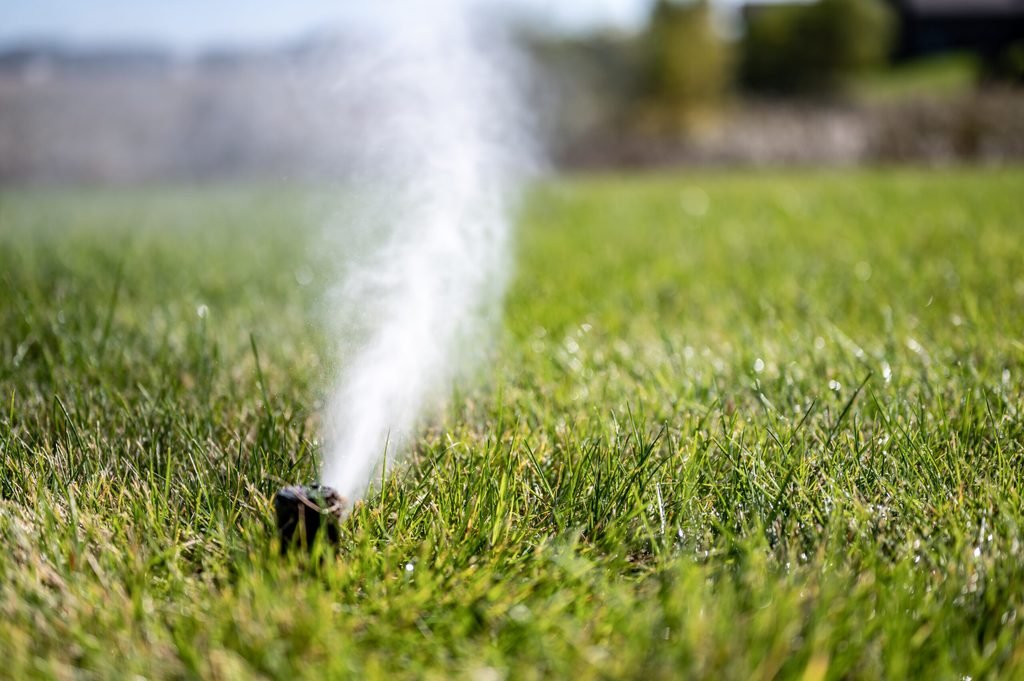
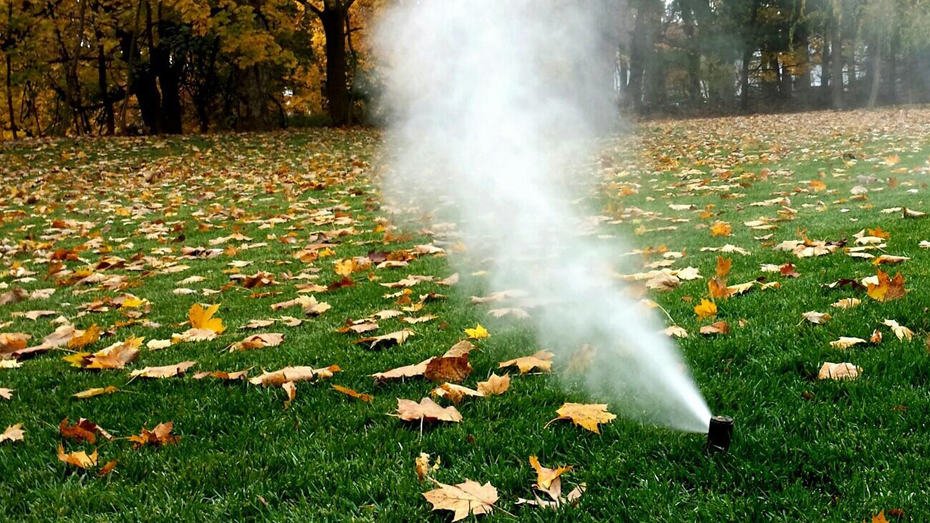
Technician Tip: More Air Isn’t Always Better
A common misconception is that the higher the compressor pressure, the better the winterization. That’s not necessarily true.
The goal is to remove water from the irrigation system—not to expose irrigation components to unnecessary pressure. That’s why we use controlled compressed air and work through the system zone-by-zone. The equipment, piping, valves, and other components all need to be considered during the process.
Common Problems We Find During Winterization
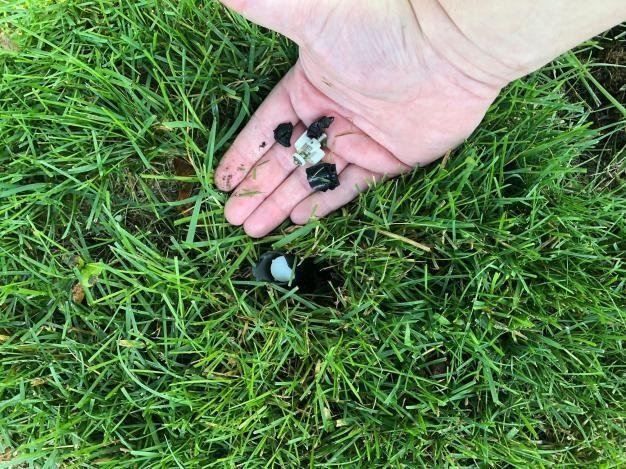
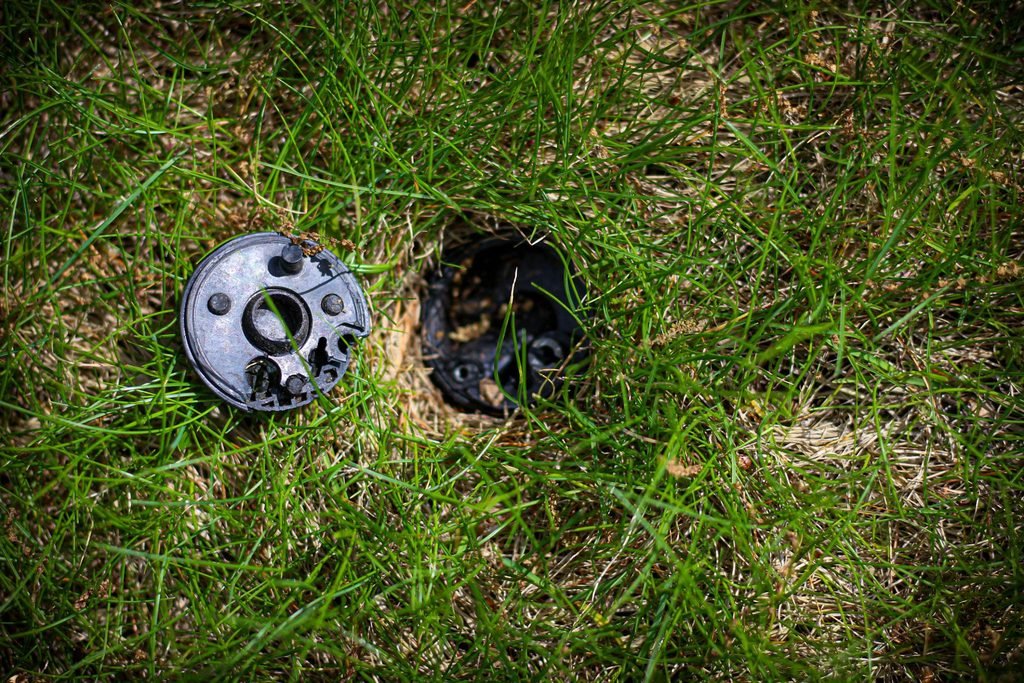
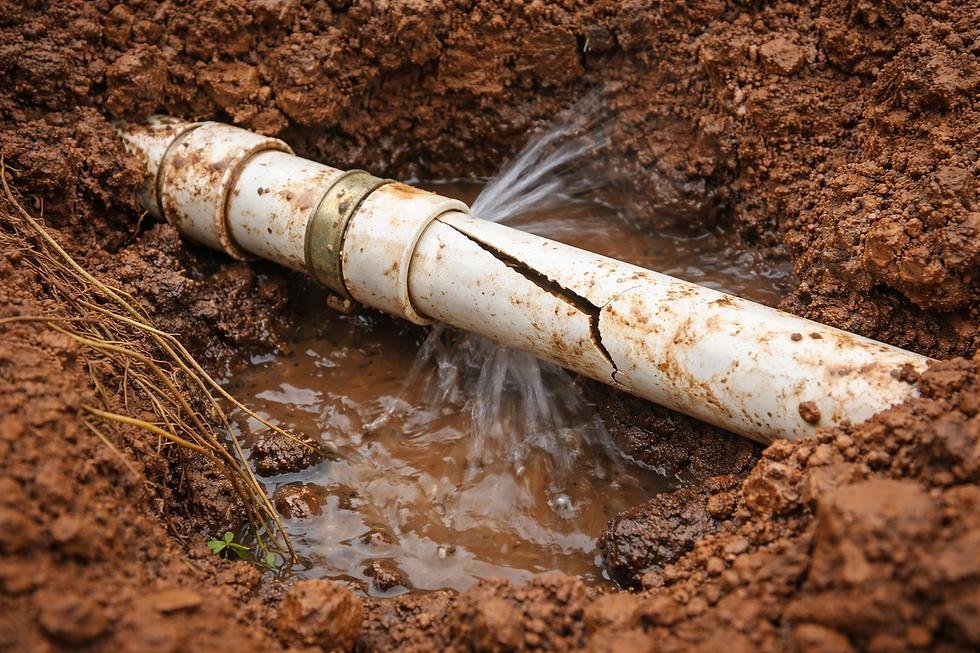
Winterization is often the last time an irrigation system will operate before spring. That makes it a valuable opportunity to identify problems that may otherwise go unnoticed for several months. Some of the issues we commonly find include:
What Happens to Your Backflow Preventer During Winterization?
This is one of the questions homeowners frequently have. If your irrigation system has a backflow preventer, it needs to be addressed before compressed air is introduced into the irrigation system. We do not force compressed air through the backflow preventer as part of the irrigation blowout. Instead, the device is removed or disconnected from the irrigation side as appropriate, and the bleeders/drains are opened so the device can drain. The device can then be left with the homeowner or placed underneath the irrigation controller according to the homeowner’s preference. If your backflow preventer is difficult to access or you are unsure where it is located, let us know when scheduling your winterization.
What Happens After Winterization?
Once the irrigation system has been winterized, the controller is left prepared for the off-season according to the system and homeowner’s needs. The irrigation system remains shut down until spring. If we identified repairs during the winterization appointment, we’ll explain them to you. If the repair isn’t urgent and doesn’t prevent proper winterization, we’ll make a note in your customer profile so we can address it during your spring startup. This gives us a head start when the irrigation season begins again.
Don’t Wait Until the First Freeze
Northern Virginia weather can change quickly. Waiting until the first freezing temperatures arrive can create unnecessary stress for homeowners and irrigation contractors alike. During the peak of winterization season, appointment availability can become limited. Scheduling ahead gives you more flexibility and allows your irrigation system to be prepared before freezing conditions become a concern. Schedule your sprinkler winterization before the winter rush.
How Early Should You Schedule Sprinkler Winterization?
There isn’t one exact calendar date that works for every property. Winterization should be scheduled before sustained freezing temperatures are expected and after the irrigation system’s normal watering season has ended. Because Northern Virginia weather can vary from year to year, we recommend homeowners plan ahead rather than waiting for the first hard freeze. If you aren’t sure whether it’s time to winterize your system, contact us and we can help you determine the appropriate timing.
Common Winterization Mistakes Homeowners Make

Why Choose Advanced Irrigation for Winterization?


From the Field: Why We Don’t Rush a Winterization
One thing we’ve learned from years of working on irrigation systems is that winterization can reveal problems homeowners didn’t know existed.
A homeowner may tell us that everything worked normally all summer. Then, while we’re running the zones during winterization, we discover a rotor that isn’t rotating, a broken nozzle, a leaking pipe, or a zone that won’t activate. That’s why we don’t treat winterization as simply a compressor blowout.
We’re already at the property. The zones are already running. It’s the perfect opportunity to see how the system is actually operating before it goes dormant for the winter.
If we find something, we tell you. If it doesn’t prevent us from completing the winterization, we document it for spring. If it prevents a proper winterization, we explain what needs to be repaired before we can finish. That’s the difference between simply blowing out a sprinkler system and actually servicing it.
Related Irrigation Services
After winterization, your next irrigation service will typically be your spring startup.
Spring Startup
Get your irrigation system running again after winter with a complete system inspection and startup.
Irrigation Repair
Found a broken sprinkler head, valve, pipe, or controller problem?
Backflow Testing
If your irrigation system has a backflow preventer that requires annual testing, learn more about our backflow testing service.
Irrigation Maintenance
Regular irrigation maintenance can help identify problems before they become expensive repairs.
Schedule Your Sprinkler Winterization
Don’t wait for freezing temperatures to arrive before thinking about your irrigation system. Advanced Irrigation provides professional sprinkler winterization throughout Northern Virginia. We’ll prepare your irrigation system for the winter, inspect the zones while they’re operating, identify problems we find, and explain what needs attention before the next irrigation season.
Ready to Winterize your sprinkler system?